Barapullah phase 3 will be ready by June 30, says Verma after inspection of the project
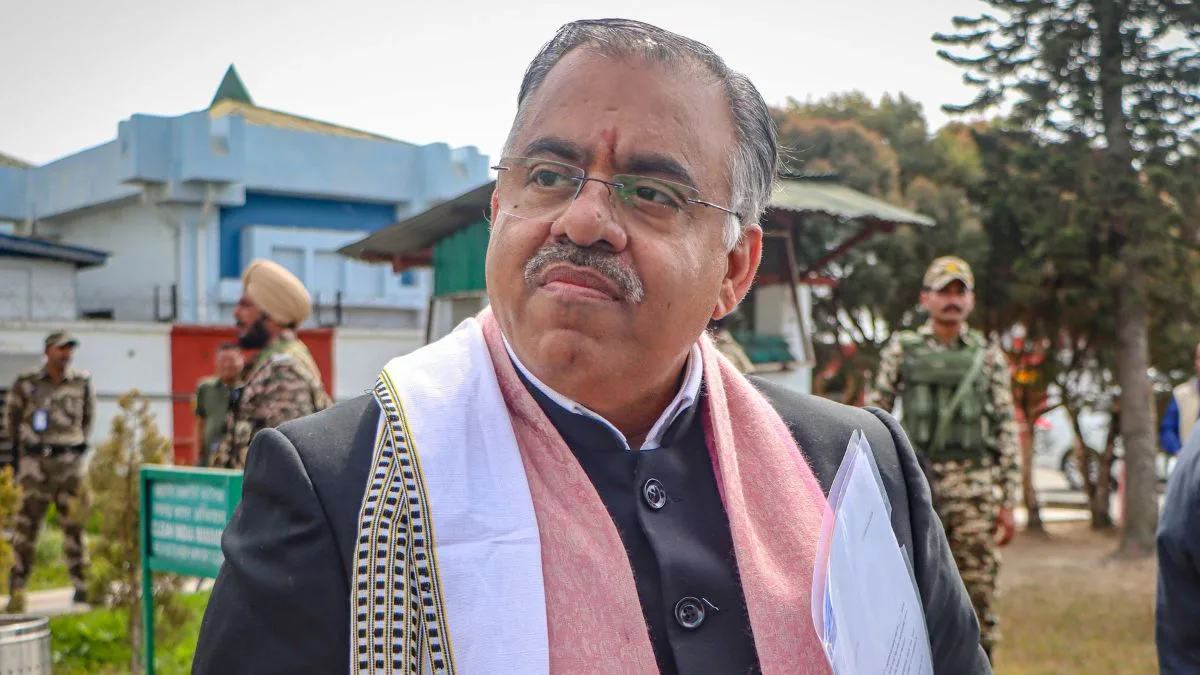
Delhi’s PWD Minister Parvesh Verma on Tuesday reviewed work at the Barapullah Phase- 3, one of the key road infrastructure projects in the city.
Lieutenant Governor Vinai Kumar Saxena and Delhi’s Minister of Public Works and Water, Parvesh Verma, on Tuesday jointly inspected two key locations in the capital — ITO intersection and Sadbhawana Park.




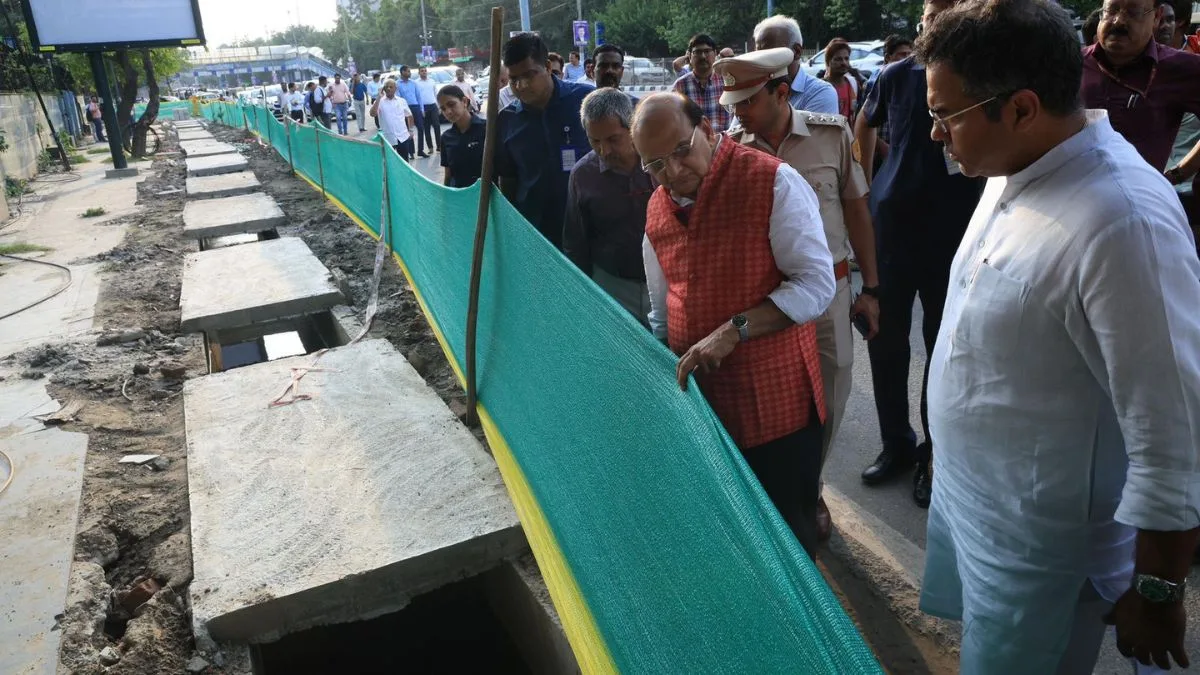
Photo: SNS
Lieutenant Governor Vinai Kumar Saxena and Delhi’s Minister of Public Works and Water, Parvesh Verma, on Tuesday jointly inspected two key locations in the capital — ITO intersection and Sadbhawana Park.
Notably, the government has implemented a comprehensive solution to the persistent issue of water-logging at the critical ITO intersection.
Advertisement
According to Verma, this year, the PWD took up the challenge with full seriousness and implemented large-scale technical upgrades.
Advertisement
The drains in the area were completely redesigned, new drainage lines were laid at several points, and the entire water disposal system was equipped with high-capacity pumps and a sensor-based automated control mechanism.
This initiative aims to provide a permanent solution to a long-standing problem.
Verma stated, “ITO will no longer represent water-logging but will stand as a model of sustainable solutions. I congratulate our engineers and officials who worked tirelessly on the ground to make this transformation possible.”
The minister further emphasized that the Delhi government is committed to identifying and permanently resolving all major water-logging hotspots that have been neglected for years.
The inspection began at the ITO junction, which for years symbolized the monsoon miseries of the national capital. Even light rainfall used to cause severe water-logging and traffic jams, resulting in daily hardship for lakhs of commuters.
Following the ITO inspection, the L-G and the minister visited the DDA-developed Sadbhawana Park in East Delhi, which has emerged as a model for environmentally conscious urban development.
The park’s most notable feature is the advanced Sewage Treatment Plant (STP) built beneath it. The STP treats wastewater collected from the surrounding area, which is then reused for irrigation and maintenance of the park.
L-G Saxena stated that the park offers a glimpse into Delhi’s future, where development goes hand-in-hand with environmental sustainability.
“Through this STP, not only are we scientifically treating wastewater, but we are also saving thousands of litres of potable water every day. This is an inspiring model that we plan to replicate in other parts of Delhi as well,” the LG added.
He also congratulated the DDA for its innovative efforts, stating that such initiatives are milestones in building a clean, sustainable, and green capital.
Advertisement